
From The Pitch to the Numbers
For as long as I can remember, football has been a part of my life. Anyone that knew me, knew that I’d always have a jersey on my back and a ball at my feet, spending hours kicking the ball around and watching matches with my family. At that age, football felt simple: score more goals and you win.
But as I got older, I started to notice there was more to the game than the eye can see. Patterns, stats, and numbers began to catch my attention. This curisiosity is what would eventually introduce me to the world of data analytics.

Seeing Football in a New Way
The more I watched football, the more I realized that the game was way deeper than just goals and highlights. Numbers were constantly running in the background, posession percentages, passing accuracy, shots per match, and many more metrics. I found myself growing more curious by the day, wondering what these numbers really meant, and why certain teams could still win even if on paper they didn’t dominate the stat sheet.
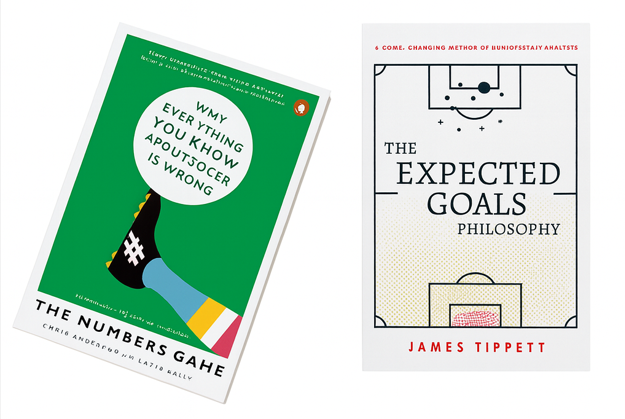
Earlier this year, I picked up two books on football data analysis. They were the first time I saw the game explained through charts, stats, and structured patterns instead of just commentary.
These books gave me a new way of seeing the sport: not just as a fan, but as someone who’s interested in how numbers can tell a deeper story.
Curiosity Becomes Analysis
My endless curiosity, naturally turned into problem-solving.
• How do teams with more shots sometimes lose?
• How do strength ratings like ELO actually predict match outcomes?
• What factors make a team consistenly succesful?
Looking for answers eventually pushed me to learn some of the tools that analysts use: Excel for organizing, Tableau for visualizing, and SQL for digging into the data. I was no longer just learning about the sport of football, this interest of mine was teaching me data analytics.
My First Data Project
My love for the sport of football, and my curiosity behind the numbers led to my first official data project: Analyzing Match Trends & Team Performance in European Football (2019-2025). In Tableau, I built a dashboard that explores offensive trends, team efficiency, and even makes forecasts for upcoming seasons.
One of the biggest lessons I learned was that efficiency often matters more than volume. Teams taking fewer shots could still outperform if they made thosre chances count. Building this project also taught me how important design and interactivity are, because data only matters if peopla can understand it.

Looking Back, Moving Forward
This project was a milestone for me as an analyst. Football is what introuduced me to data in the first place, and building this project showed me how I could turn that curiosity into actual analysis.
It’s also just the beginning, as I approach the end of my degree, I’m rapidly growing as an analyst and building skills across Excel, Tableau, SQL, and R. Each project I take on moves me closer to being the kind of analyst who turns raw data into meaningful insights.
Football has always been more than a game for me, it was the spark that showed me how powerful data can be in telling stories and solving problems. What started with a ball and a jersey has grown into a career path, and I’m extremely excited to keep sharing projects that combine curiosity, creativty, and data.